


Gothic Sculptures: A Window into Medieval Elegance and Mystery
Gothic medieval sculpture emerged during the High Middle Ages, approximately from the 12th to the 16th century, and was an integral part of the Gothic architectural movement. It was predominantly used to adorn cathedrals, churches, and other religious structures. Some key characteristics of Gothic medieval sculpture include:
-
Spiritual Expression: Gothic sculptures served primarily religious purposes, depicting scenes from the Bible, saints, and other religious figures. They were meant to inspire piety and devotion among the viewers and communicate spiritual narratives.
-
Verticality and Aspiration: Gothic art and architecture emphasized verticality, seeking to reach toward the heavens. Sculptures often featured elongated figures, with soaring spires and arches in the background, creating an awe-inspiring sense of height and aspiration.
-
Naturalism and Elegance: Gothic sculptures displayed an advancement in naturalism compared to earlier medieval art. Artists sought to create more lifelike figures with flowing drapery and intricate detailing. There was a sense of elegance and refinement in their execution.
-
Ornate Detailing: Gothic sculptures were characterized by their elaborate ornamentation. Sculptors meticulously carved intricate patterns, foliage, and decorative motifs, adding to the overall sense of splendor.
The 4 Main Features of Gothic Style
The Gothic style, encompassing both architecture and art, can be defined by four main features:

-
Pointed Arches: One of the most distinctive features of Gothic architecture is the pointed arch. Unlike the rounded arches of Romanesque architecture, the pointed arch allowed for greater height and more significant weight distribution, enabling soaring cathedrals with large windows.
-
Flying Buttresses: To support the massive stone walls and high ceilings, Gothic architects introduced flying buttresses. These arched structures outside the building helped counteract the outward thrust of the vaulted ceilings, allowing for taller and more open spaces inside.
-
Ribbed Vaulting: Gothic architecture employed ribbed vaults to cover wide spaces with a skeletal framework of stone ribs. This innovation allowed for lighter and taller ceilings, creating a sense of weightlessness and openness.
-
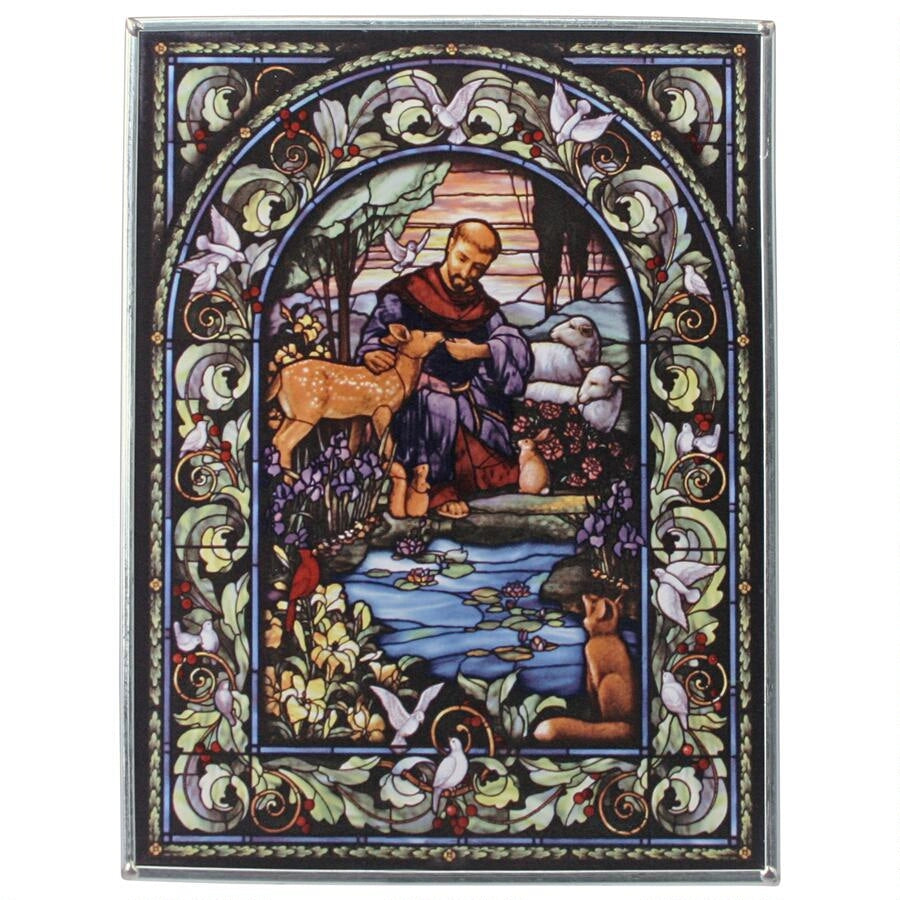
Stained Glass Windows: Gothic cathedrals featured vast stained glass windows that depicted biblical scenes, saints, and religious narratives. These windows served as a way to illuminate the interiors with colorful light and convey spiritual messages to the illiterate congregation.
Characteristics of Gothic Art
Beyond the specific features of Gothic architecture, the broader characteristics of Gothic art include:
-
Emotional Expression: Gothic art, including sculpture, sought to evoke emotions in the viewers. Figures were depicted with expressions of sorrow, joy, devotion, and awe, engaging the faithful on a deeper emotional level.
-
Narrative Quality: Gothic sculptures often depicted complex narratives and stories from religious texts. Multiple figures and scenes were incorporated into a single composition, allowing viewers to follow the flow of the story.
-
Lavish Decoration: Gothic art was known for its ornate and lavish decoration. Whether in architecture, illuminated manuscripts, or sculptures, intricate detailing and elaborate designs were a hallmark of the style.
-
Mystical and Ethereal Aesthetics: Gothic art aimed to create an otherworldly and mystical atmosphere. The interplay of light through stained glass windows, the elongated and elegant figures, and the overall sense of height and verticality all contributed to this ethereal ambiance.
Medieval Gothic Style in Sculpture
Medieval Gothic style in sculpture was closely tied to the architectural context in which it was placed. Sculptures were integrated into the facades, portals, and interior spaces of Gothic cathedrals and churches. The emphasis on verticality was mirrored in the elongated and slender figures of the sculptures. Gothic sculptors skillfully conveyed emotions and expressions through the figures' poses and facial features. Sculptures also played a didactic role, educating the largely illiterate populace about religious stories and moral lessons.
Gothic Sculptures as Home Decor
-
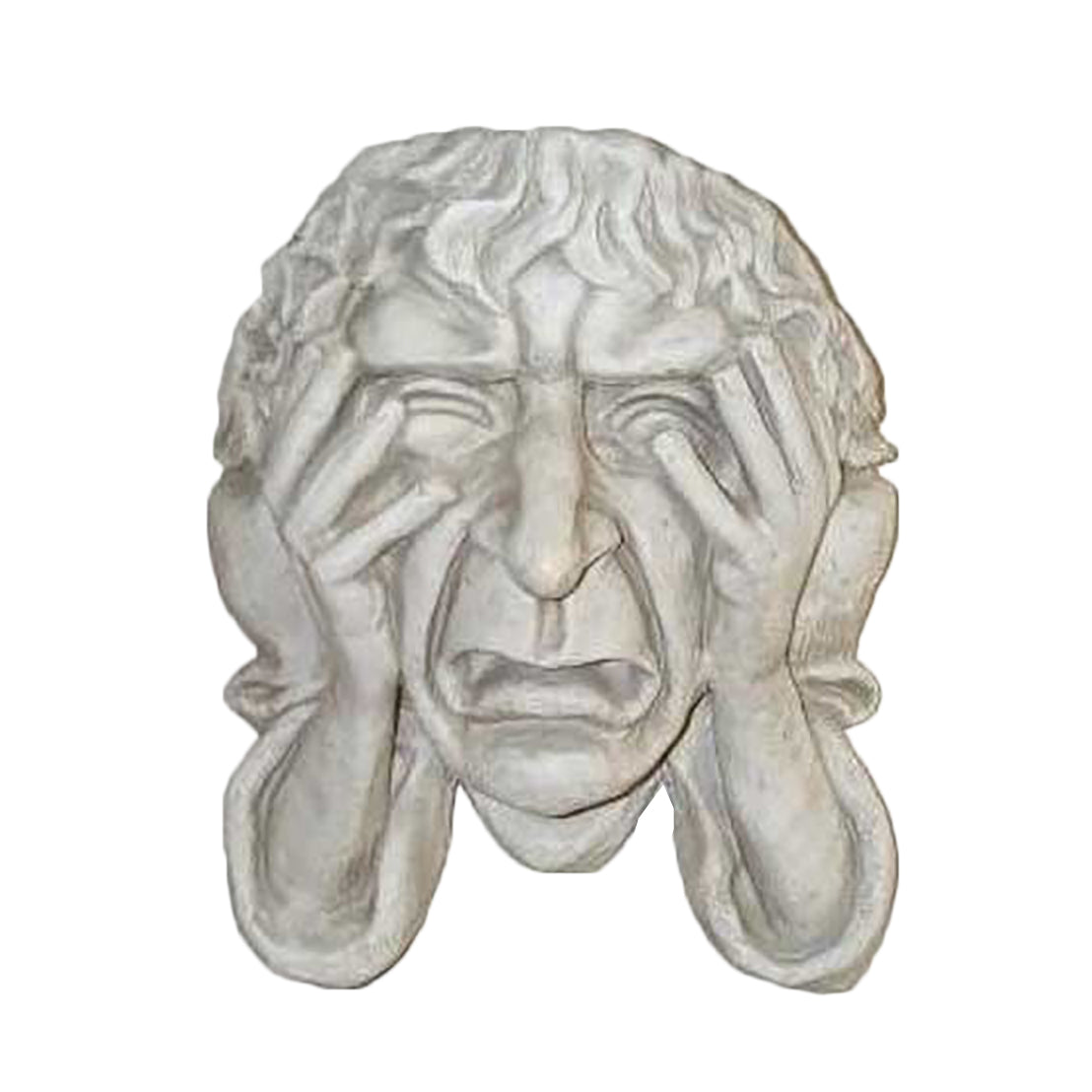
Gothic Elegance: Melancholy Of Oxford 14" - Gargoyles Masks: This sculpture captures the essence of Gothic architectural adornments with its depiction of gargoyles. Gargoyles were not merely decorative elements but were believed to serve as protectors by warding off evil spirits. As home decor, this piece can bring a touch of medieval mystery and a sense of protection to any space, whether placed on a shelf, in a study room, or as an accent piece in a garden.

-
17" Winged Bonded Cathedral Gothic Purebred Gargoyle Dragon Statue Sculpture Figurine: Another representation of a gargoyle, this statue features a winged dragon, often associated with mythical beings and guardians in medieval lore. The intricate detailing and craftsmanship of this sculpture make it an excellent centerpiece or conversation starter in a living room or library, adding a touch of medieval fantasy and fascination.
-
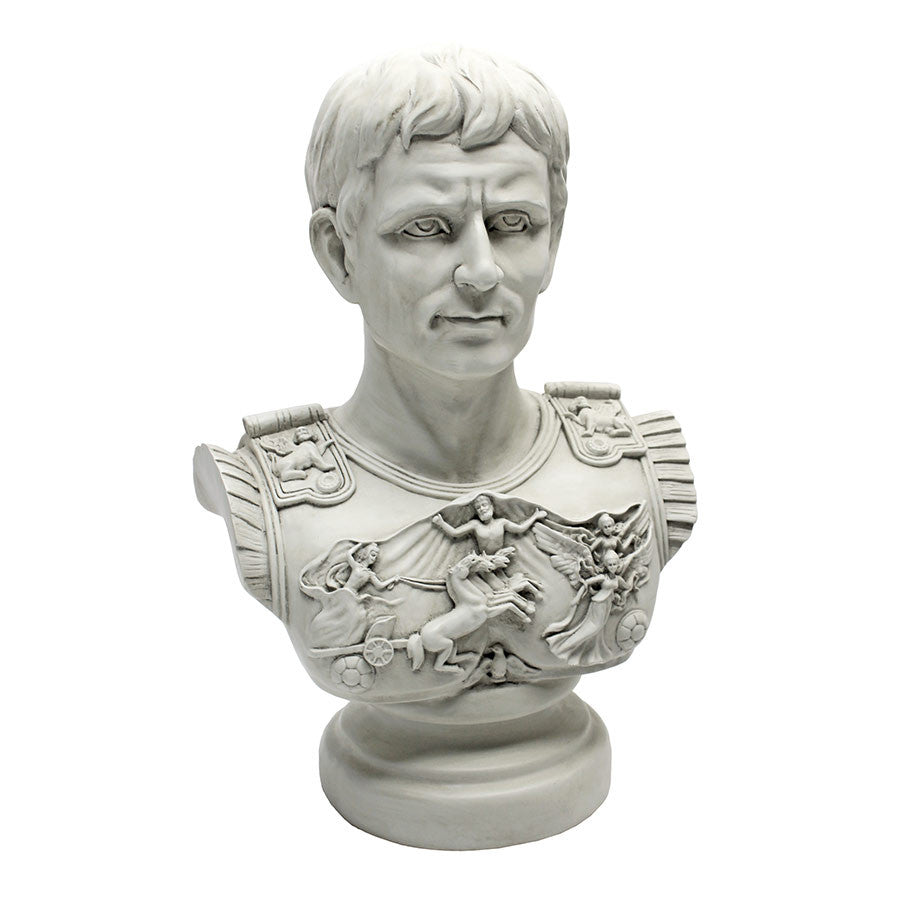
Caesar Primaporta Bust: While not strictly Gothic, this bust represents the classical influences that were also present in the medieval period. The graceful and dignified depiction of Caesar Primaporta adds a sense of historical elegance and sophistication to any home decor. Placed on a pedestal or a prominent display area, it serves as a reminder of the artistry that transcends time and connects various periods of history.
Gothic sculptures offer a glimpse into the artistic brilliance of the medieval period, with their spiritual expression, ornate detailing, and aspiration towards the heavens. The Gothic style's four main features, such as pointed arches, flying buttresses, ribbed vaulting, and stained glass windows, created a unique architectural and artistic legacy. Integrating Gothic-inspired sculptures into home decor allows individuals to immerse themselves in the elegance, mystique, and historical richness of the Gothic era, turning their living spaces into captivating expressions of medieval art and culture.


