


Mothers are Goddesses, See Why
Mother’s Day is fast approaching. Most cultures designate a special day to honor mothers and motherhood. The United States celebrates on every second Sunday of May. So, in honor of mothers of all kinds in all phases of life, we believe it will be nice to look at various goddesses that depict motherhood.
Asasa Ya (Ashanti): This earth mother goddess prepares to bring forth new life in the spring, and the Ashanti people honor her at the festival of Durbar, alongside Nyame, the sky god who brings rain to the fields.
Bast (Egyptian): Bast was an Egyptian cat goddess who protected mothers and their newborn children. A woman suffering from infertility might make an offering to Bast in hopes that this would help her conceive. In later years, Bast became strongly connected with Mut, a mother goddess figure.

Bona Dea (Roman): This fertility goddess was worshipped in a secret temple on the Aventine hill in Rome, and only women were permitted to attend her rites. A woman hoping to conceive might make a sacrifice to Bona Dea in hopes that she would become pregnant.
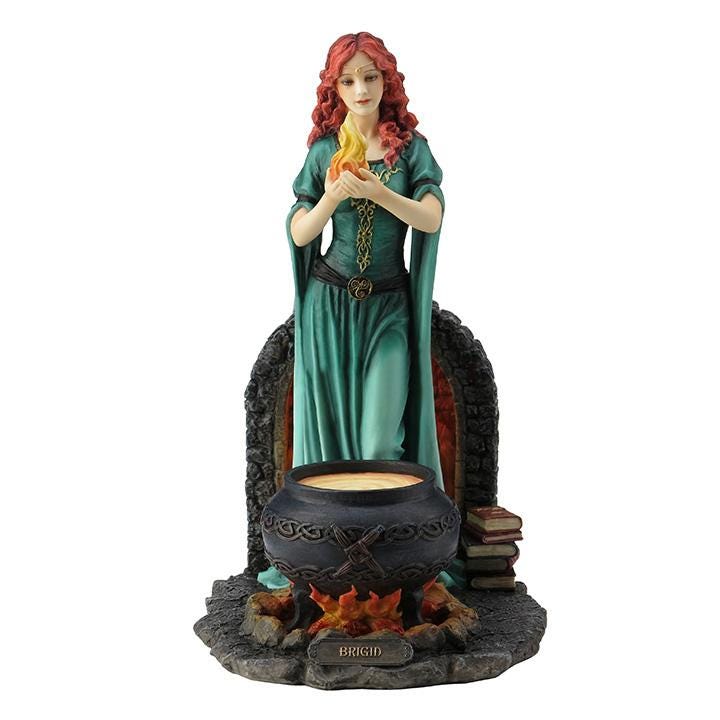
Brighid (Celtic): This Celtic hearth goddess was originally a patron of poets and bards, but was also known to watch over women in childbirth, and thus evolved into a goddess of hearth and home. Today, she is honored at the February celebration of Imbolc
Cybele (Roman): This mother goddess of Rome was at the center of a rather bloody Phrygian cult, in which eunuch priests performed mysterious rites in her honor. Her lover was Attis, and her jealousy caused him to castrate and kill himself.

Demeter (Greek): Demeter is one of the best known goddesses of the harvest. When her daughter Persephone was kidnapped and seduced by Hades, Demeter went straight to the bowels of the Underworld to rescue her lost child. Their legend has persisted for millennia as a way of explaining the changing of the seasons and the death of the earth each fall.
Freya (Norse): Freyja, or Freya, was a Norse goddess of abundance, fertility and war. She is still honored today by some Pagans, and is often associated with sexual freedom. Freyja could be called upon for assistance in childbirth and conception, to aid with marital problems, or to bestow fruitfulness upon the land and sea.
BEFORE YOU CONTINUE — Check these Greek goddesses sculptures Out — HERE
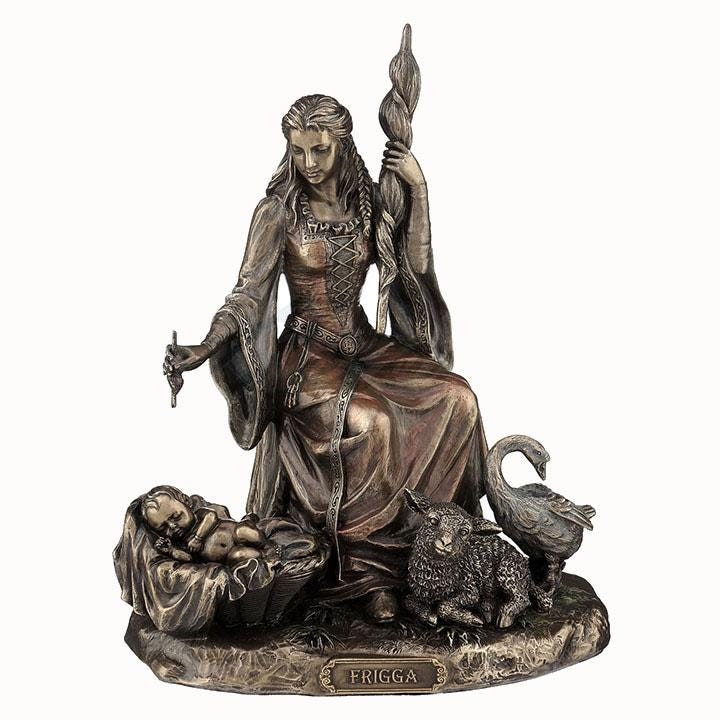
Frigga (Norse): Frigga was the wife of the all-powerful Odin, and was considered a goddess of fertility and marriage within the Norse pantheon. Like many mothers, she is a peacemaker and mediator in times of strife.
Gaia (Greek): Gaia was known as the life force from which all other beings sprang, including the earth, the sea and the mountains. A prominent figure in Greek mythology, Gaia is also honored by many Wiccans and Pagans today as the earth mother herself.

Isis (Egyptian): In addition to being the fertile wife of Osiris, Isis is honored for her role as the mother of Horus, one of Egypt’s most powerful gods. She was also the divine mother of every pharaoh of Egypt, and ultimately of Egypt itself. She assimilated with Hathor, another goddess of fertility, and is often depicted nursing her son Horus. There is a wide belief that this image served as inspiration for the classic Christian portrait of the Madonna and Child.

Culled From — HERE


